Every visitor to Kenya arrives wanting to see the Big Five. And that is completely understandable – they are extraordinary animals, and the structure of a list gives a safari a satisfying sense of purpose and progress. But Kenya’s wildlife is so much richer, so much stranger, and so much more diverse than five species can possibly represent, and some of the most memorable encounters I have ever had in the bush involved animals that do not appear on any trophy list, any poster, or any safari itinerary’s headline.
The visitors who come home with the richest stories are almost always the ones who were paying attention to the things everyone else drove past. Here is what they were looking at.
The great migration’s forgotten participants
When people talk about the Great Migration, they talk about wildebeest – and rightly so, because over a million of them move between the Serengeti and the Masai Mara each year in one of the largest animal movements on earth. The river crossings are dramatic and rightly celebrated. But the migration also includes hundreds of thousands of zebra and gazelle, and the full ecological picture of what the migration represents is far bigger than any single species crossing a river.
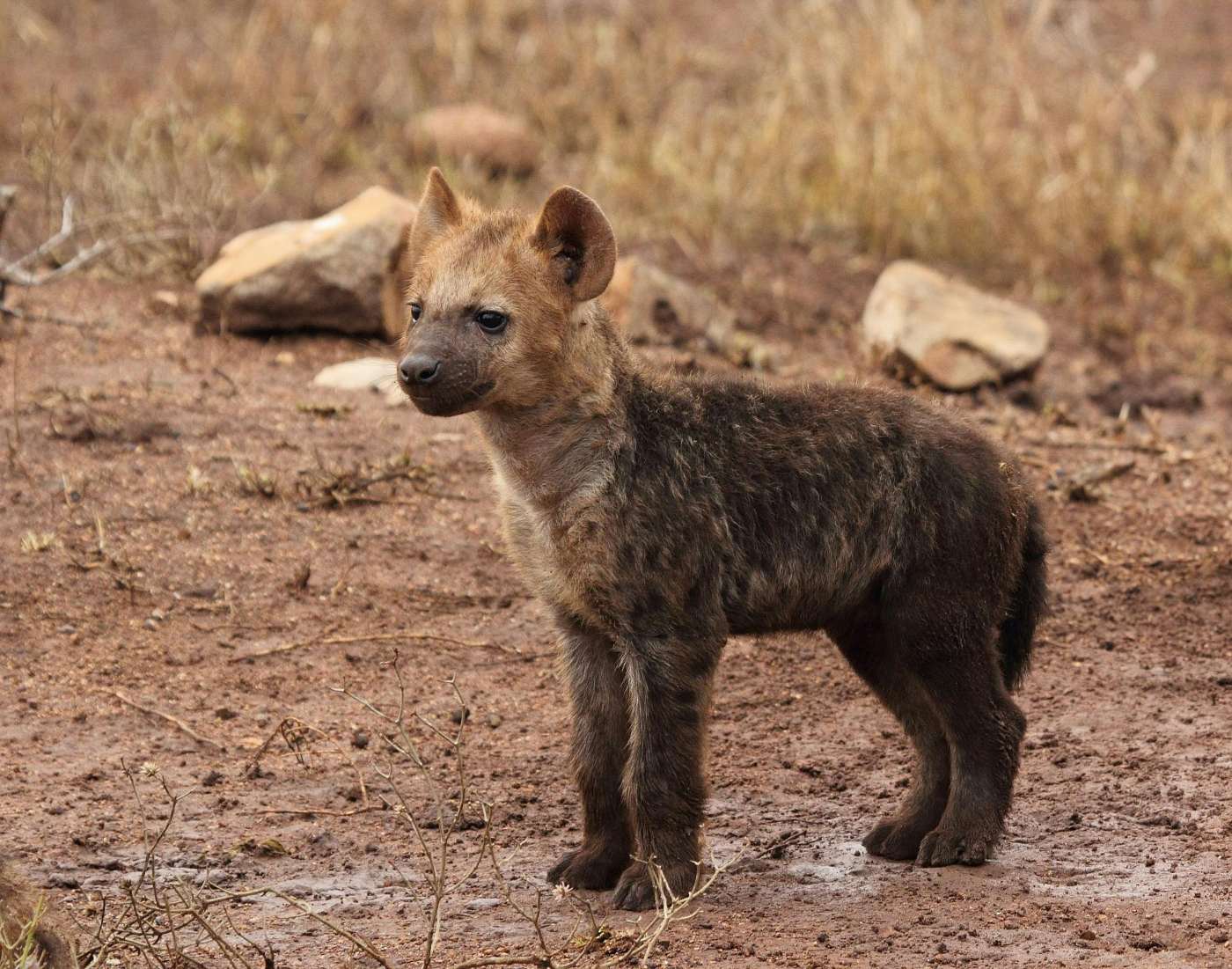
The migration is accompanied by the entire predator-scavenger complex that follows it. Spotted hyena clans, whose intelligence and social complexity are consistently underestimated by safari visitors, coordinate hunts and manage territories with a sophistication that rivals the lion prides they are often compared against. African wild dogs, where they exist, operate with a cooperative efficiency that is extraordinary to observe. Vultures – often dismissed as unpleasant – perform an ecological function so important that their decline across Africa is considered a conservation emergency. The migration is an entire ecosystem in motion, not just a river crossing. Slow down and watch the whole picture. The Kenya Wildlife Service provides seasonal wildlife updates and park-specific information that helps visitors understand what to look for across different times of year.
The reticulated giraffe and the northern specials of Samburu
Samburu National Reserve in northern Kenya is home to several species found nowhere else in the country, and it is one of Kenya’s most undervisited and underappreciated parks. The reticulated giraffe – a subspecies with a more boldly and sharply defined coat pattern than the Maasai giraffe found in the south – is one of the most visually striking animals in Kenya and is found almost exclusively in the north. The Grevy’s zebra, the largest of all zebra species, with its distinctively narrow stripes and rounded ears, is another Samburu speciality.
Perhaps the strangest and most wonderful of Samburu’s endemic species is the gerenuk – a long-necked antelope that stands on its hind legs to reach acacia leaves, balancing on its rear limbs with a posture so improbable it looks like a sketch from a children’s book. Watching a gerenuk browse in this position, completely unperturbed by the laws of physics, is one of those wildlife moments that makes you laugh out loud. If you are only visiting the Mara and Amboseli, you are missing an entirely different cast of characters in the north.
Kenya’s extraordinary birdlife
Kenya is one of the premier birdwatching destinations in the world, with over 1,100 recorded species – more than all of Europe combined. This is not a niche interest. Even visitors with no particular background in birdwatching find themselves transfixed by the sheer variety and beauty of Kenya’s birds, from the massive Kori bustard stalking across the open Mara plains to the iridescent flash of a malachite kingfisher at a river’s edge.
Lake Nakuru is famous for its flamingo population, which can gather in the hundreds of thousands along the shoreline, turning the water pink in one of the most visually spectacular natural displays on the continent. The Arabuko-Sokoke Forest near Watamu is the largest remaining coastal forest in East Africa and shelters dozens of globally threatened bird species found nowhere else on earth. For sea and coastal birds, the Kenya coast offers some of the finest birdwatching in the Indian Ocean region. The Magical Kenya website has resources for birdwatching-focused visits, including guides to the best birding sites across the country.
The painted wolves – Africa’s most efficient hunters
African wild dogs – known as painted wolves for their richly mottled coats of black, white, and amber – are among the most endangered carnivores in Africa, and one of the most socially sophisticated animals on the continent. A pack of wild dogs hunting in coordinated formation has a success rate of between sixty and ninety percent – dramatically higher than the thirty to forty percent success rate of lions. They are also among the most cooperative of all carnivores, caring for injured pack members, regurgitating food for pups and adults who were left behind at the den, and operating with a collective intelligence that is genuinely fascinating to observe.
Sightings in Kenya are rare and never guaranteed, but the Laikipia Plateau and parts of the greater Mara ecosystem offer the best chances in the country. If you encounter a wild dog pack on a morning hunt, the speed, coordination, and precision of what unfolds in front of you will be one of the most exhilarating wildlife experiences of your life.
Sea turtles of the Kenyan coast
Kenya’s Indian Ocean coastline is an important nesting and feeding ground for hawksbill and green sea turtles, and the protection of these animals is one of the most active and community-rooted conservation efforts in the country. Local Ocean Conservation, based in Watamu, runs one of the most respected sea turtle monitoring, rescue, and rehabilitation programmes in East Africa. Established with the support of local fishing communities, their work has dramatically reduced turtle bycatch and increased nesting success rates along the Watamu coastline over the past two decades. If you are visiting the coast, their Marine Information Centre is a genuinely moving and informative place to spend a morning – it offers a window into the extraordinary and increasingly fragile world beneath the waves.
The hippopotamus – the most underrated animal in Africa
There is a widespread misconception among safari visitors that the hippopotamus is a large, peaceful, somewhat comedic animal – the river version of a friendly cow. This misconception has been responsible for some genuinely dangerous situations, because the hippopotamus is one of the most aggressive and territorially unpredictable animals in Africa, responsible for more human deaths on the continent than lions or leopards. They are also deeply strange and compelling to watch up close.
The Mara River and Lake Naivasha are excellent for hippo encounters. Spending time watching a pod from a safe distance – listening to their extraordinary range of vocalisations, watching the constant social negotiation and occasional explosive aggression, observing a calf navigate the complex hierarchy of a large group – is an experience that rewards patience and careful attention. The hippo is not glamorous. It is not on any list. But it is one of the genuinely great wildlife encounters Kenya offers, and the visitors who discover this tend to become quietly evangelical about it.