Kenya has a knack of doing more than expected. Travellers arrive with images in their heads – lions on open plains, red-robed Maasai warriors, dusty safari roads stretching into the distance – and then the country goes ahead and gives them all of that, and then some.
But as with any destination worth visiting, Kenya rewards those that come prepared. Here is all that I want you to know before you land.
You Need an Electronic Travel Authorization and Not a Visa
Kenya has done away with its traditional visa system in January 2024. Every visitor – regardless of nationality, including infants and children – are now required to apply for an Electronic Travel Authorization before travel. The official website for this is only www.etakenya.go.ke.
Do not use any site from third-party sellers that will process it for you because applications submitted elsewhere are automatically refused and you will lose your money to fraud. The fee is USD 30, processing takes about three working days, and you should get started with your application as soon as the flights are confirmed. Print it out or have it on your phone – you will have to show this at check-in and again at the airport on the day you arrive.
The Best Time to Visit Depends on What You Want to See
Kenya does not have a single best time to visit — it has the best time for whatever it is you are specifically hoping to experience. The country has two dry seasons and two rainy seasons, and each of them brings something different on the table.
The long dry season lasts from late June through to October and is generally the prime safari season. The grass is short, animals gather around water sources and visibility is at its best. This is also when the Great Migration peaks in the Masai Mara and usually occurs between July and October where more than a million wildebeest and zebra cross the Mara River in one of most dramatic spectacles in nature. If witnessing the migration is on your list, this is your window.
The brief dry season between January and February is also a great time for wildlife, being less busy and with slightly reduced prices. The two rainy seasons — the long rains from March to May and the short rains in November – bring lush green landscapes and dramatic skies to make for stunning photography. Safari is still very possible during these periods, and many lodges have significantly reduced rates on offer.
Organize Your Health Preparations Early
Visit a travel health clinic at least six to eight weeks before your date of departure. Yellow Fever vaccination is mandatory to enter if you are coming from a country where Yellow Fever is present, proof of vaccination could be asked at the border. Malaria is a risk in many areas of Kenya especially at lower altitudes and on the coast, so talk to your doctor about prophylaxis.
Routine vaccinations such as Hepatitis A, Typhoid and Tetanus are also generally recommended. Carry a basic medical kit with you and make sure your travel insurance covers emergency evacuation – this is not optional when you are travelling in remote areas.
Nairobi Is More than a Stopover
Most visitors pass through Nairobi on their way somewhere else, which is a real shame as Nairobi is fascinating in its own right. It is one of the few capitals in the world to have a national park on its doorstep — you can see lions roam against a backdrop of city skyscrapers, which is as surreal and wonderful as it sounds. The David Sheldrick Wildlife Trust is one of the most respected elephant orphanages in the world and is a deeply moving place to spend a morning. The Giraffe Centre, Karen Blixen Museum and the vibrant food and arts scene in neighbourhoods such as Westlands and Kilimani are all worth your time. At least two days to visit the city of Nairobi. It will surprise you.
Kenya Is a Big Country – Plan Your Distances Carefully
One of the most common mistakes by people who visit places for the first time is underestimating distances. Kenya is almost 600,000 square kilometres in size and road conditions away from the main towns can be rough and time consuming. The drive from Nairobi to the Masai Mara, for example, takes anywhere from five to seven hours depending on road conditions, and on which route we take.
Many travellers choose to fly between destinations and there are several domestic airlines which operate regular flights between Nairobi, the Mara, Amboseli, Samburu and the coast. If your time is limited, flying saves you hours on the road as well as getting you to where the magic is faster.
The Wildlife is Extraordinary – and Deserves Respect
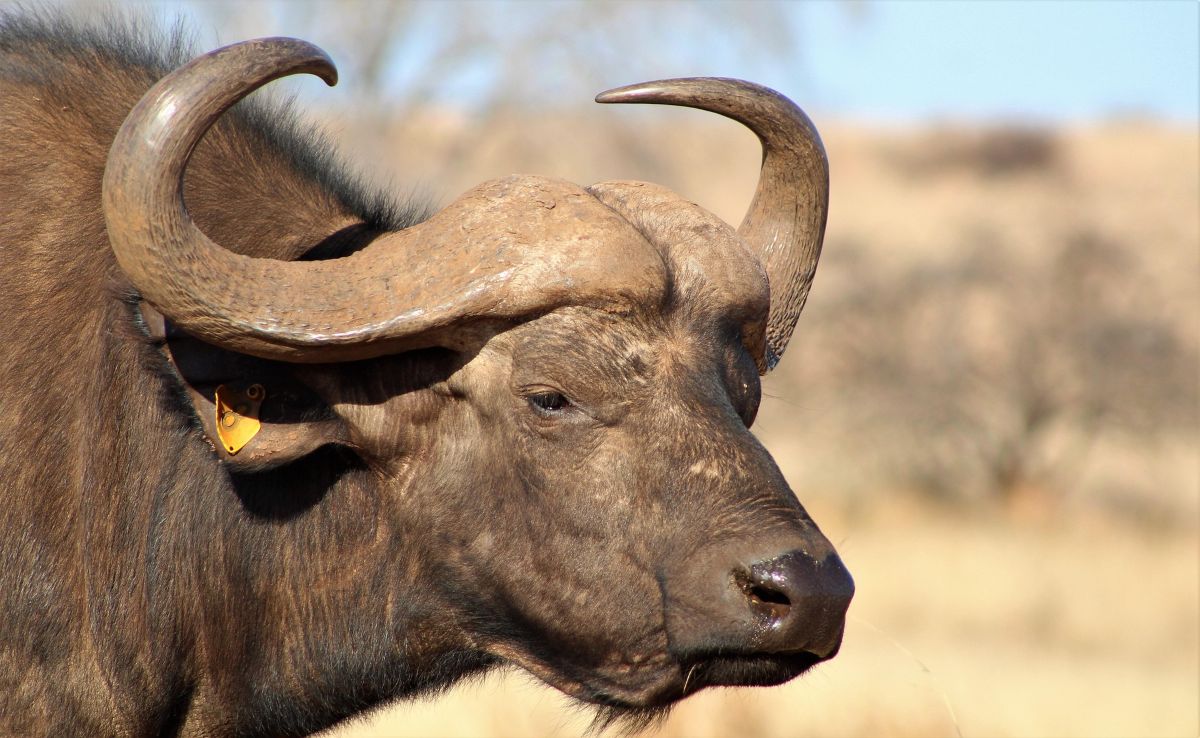
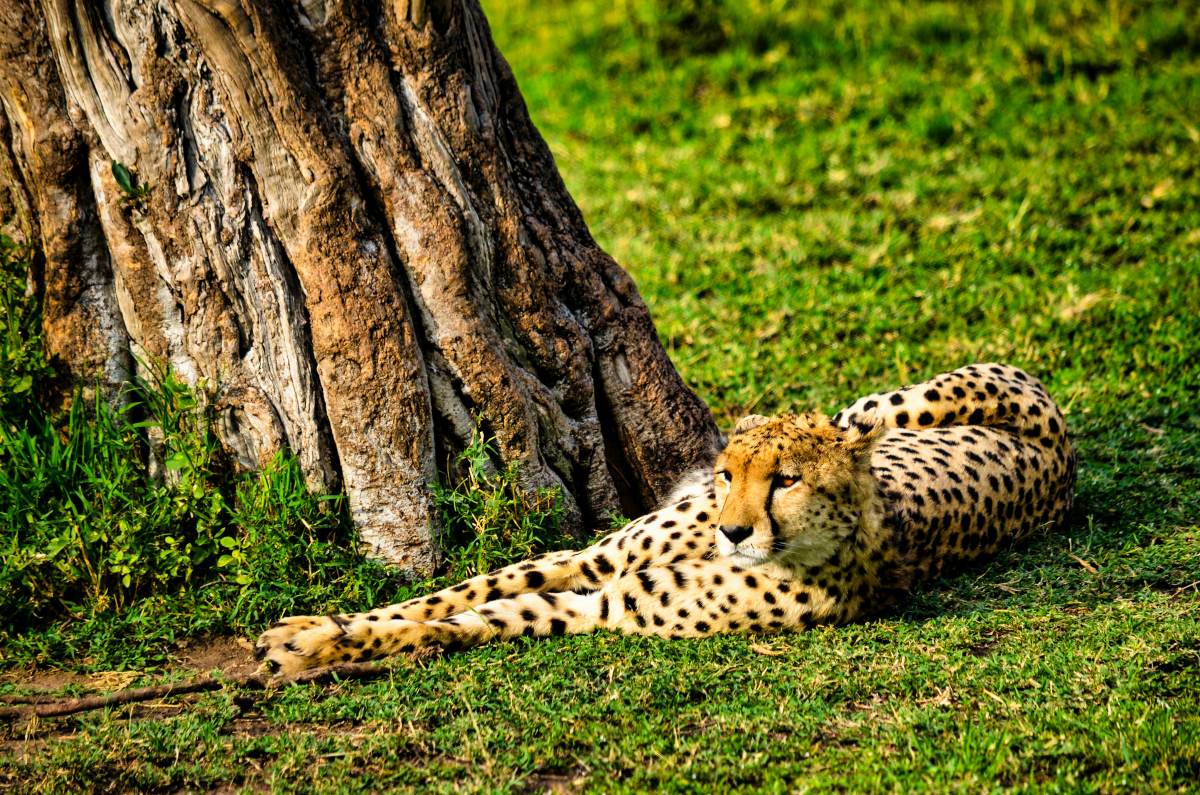
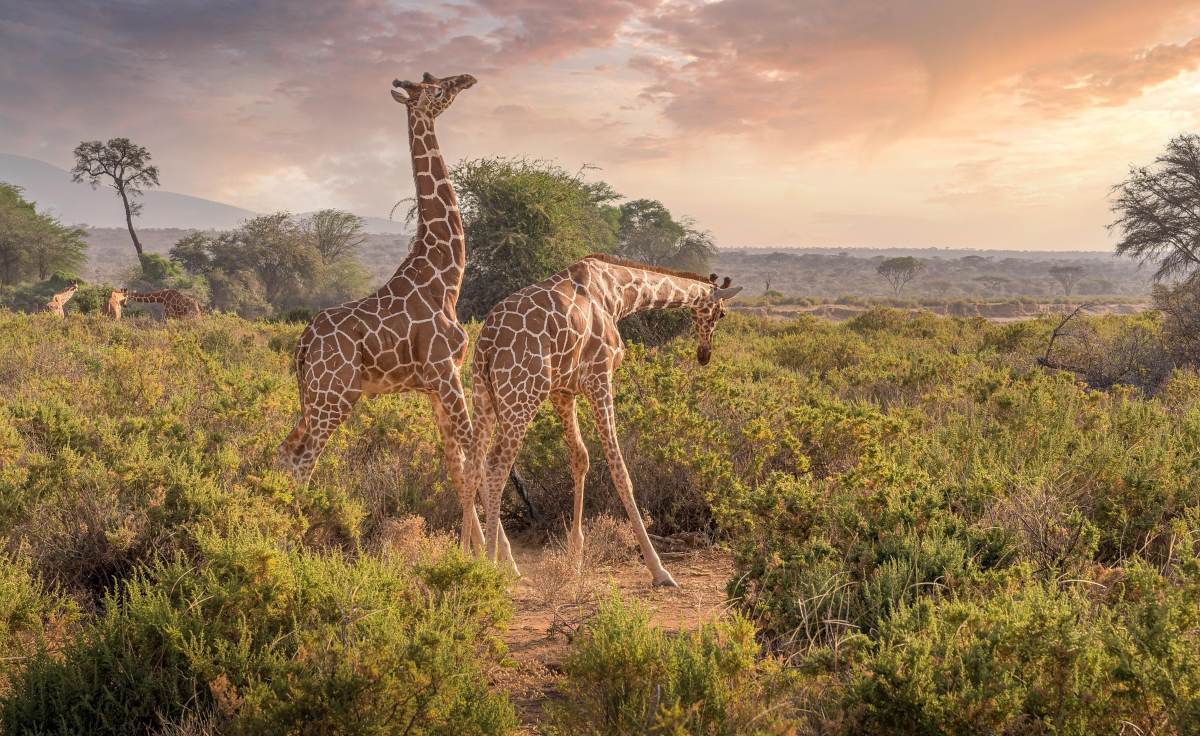
Kenya’s national parks and conservancies are home to some of the greatest wildlife on earth. The Masai Mara, Amboseli, Tsavo, Samburu, Lake Nakuru and Ol Pejeta are some of the most celebrated and they all offer something different. In Amboseli you get to watch elephants against the backdrop of Mount Kilimanjaro. In Samburu you find rare northern species such as reticulated giraffe and Grevy’s zebra. In Lake Nakuru, the flamingos flock in their thousands on the shoreline.
When in these spaces listen to your guide Do not stand up in the safari vehicle, do not make sudden loud noises, do not feed the animals and do not litter. These are not just rules -they are the difference between a safe and respectful experience, and one that can turn dangerous quickly. The parks and reserves in Kenya are managed by the Kenya Wildlife Service and their website, at www.kws.go.ke contains up to date information about entry fees and park regulations.
Money, Connectivity and Getting Around
The local currency is the Kenyan shilling and although mobile money via M-Pesa is widely used and cards are accepted in hotels and larger establishments, cash is still essential once you get out of the city. Always carry a mix of both. ATMs are readily available in Nairobi and at major towns but are in short supply in remote areas, so take out what you need before you head out on safari.
Get a local SIM card on arrival at the airport – it is simple, cheap and will save you a lot of money on data costs. Safaricom is the most reliable network all over the country. Apps such as Google maps, Bolt and Uber are working fine in Nairobi and Mombasa.
The Culture Is Rich and Worth Working With
Kenya is a country with more than 40 ethnic groups, each with their own language, traditions and customs. The official languages are Swahili and English, both of which are spoken widely, which makes communication relatively easy for English-speaking visitors. Learning a few Swahili phrases will be graciously received — jambo means hello, asante means thank you, karibu means welcome and hakuna matata means, well, what you guessed it means.
When visiting local communities or cultural sites, dress modestly and ask permission to take photographs of people. Most Kenyans are incredibly warm and hospitable, and a little courtesy and genuine interest in the culture goes an enormously long way.
One Last Thing
Kenya is not something you check off a list. It is a place that gets into your bones and changes the way you see the world and leaves you quietly rearranging your life to figure out how to come back. Come with an open mind, a little flexibility and the willingness to be surprised — and this country will give you more than you ever thought to ask for.
Safe travels. Karibu Kenya.