Let me get straight to the point; a Kenya safari doesn’t have to break the bank in order to be epic. The animals don’t care what you paid for that tent. The sunrise over the Mara is the same for everybody. And the safari moments I’ve heard about that are the most unforgettable are usually the rough ones – definitely not the fancy lodges with private plunge pools and five-course dinners. Those raw, unfiltered experiences, are the real deal.
But there’s a line between smart budgeting and cutting corners that actually hurt your safety, enjoyment or the wildlife experience. A bad guide, a busted vehicle in a remote park or the place that keeps you up with anxiety isn’t cheaper; it’s just a different kind of cost. Here’s how to trim the price tag without cutting the combat.
Travel during the shoulder seasons
The best way to reduce safari costs is to time it right. The Masai Mara during the Great Migration – roughly July to October – is the most expensive part of the year and for good reason. Kenya’s shoulder seasons, particularly January – February and November, will still afford you great wildlife viewing, but at far lower lodging and package prices. Many lodges slash prices by thirty – fifty percent during these times and fight for guests. The long rainy season between March to May, offer the cheapest rates of all. Game drives can be a little muddy and unpredictable, but the landscapes are lush, lighting is killer for photographs and most parks feel almost empty of other visitors.
The Magical Kenya tourism website has detailed seasonal guides for each of the major parks. It’s a free goldmine in terms of what to expect at different times of the year before you book.
Think about camping instead of lodges
Kenya has a fairly good system of public campsites within the national parks that are operated by the Kenya Wildlife Service. They’re basic by design – you bring your own tent or rent gear from nearby towns – but they drop you right in the park. That means you can do the game drives early in the morning and late at night without the long transfer drives to distant lodges. Waking up surrounded by wildlife is something no luxury lodge can beat. KWS publishes all campsite locations/nightly fees online, making it a breeze to plan a self-sufficient itinerary.
If you are looking for a little more infrastructure without the price tag of a proper lodge, the mid-range tented camps in the big parks across Kenya are a safe bet. They provide comfy beds, hot showers and decent meals at prices that’re a lot more wallet-friendly than the luxury end. These camps strike the perfect balance between comfortable and authentic.
Book with a local licensed operator directly
All those international booking sites, global travel agents and overseas tour operators add big markups – none of which really add to the on the ground experience. Booking directly with a reputable Kenyan safari company eliminates the middleman and often provides you with a more individualized, local based experience where your questions can be answered by someone who actually knows the parks.
Always double check that any operator is licensed by Tourism Regulatory Authority, Kenya’s licensing body. The TRA maintains a public registry, so that you can check the credentials before you give away any cash. A licensed operator is held to national standards of the service and safety in a way an unlicensed one isn’t.
Choose your parks strategically
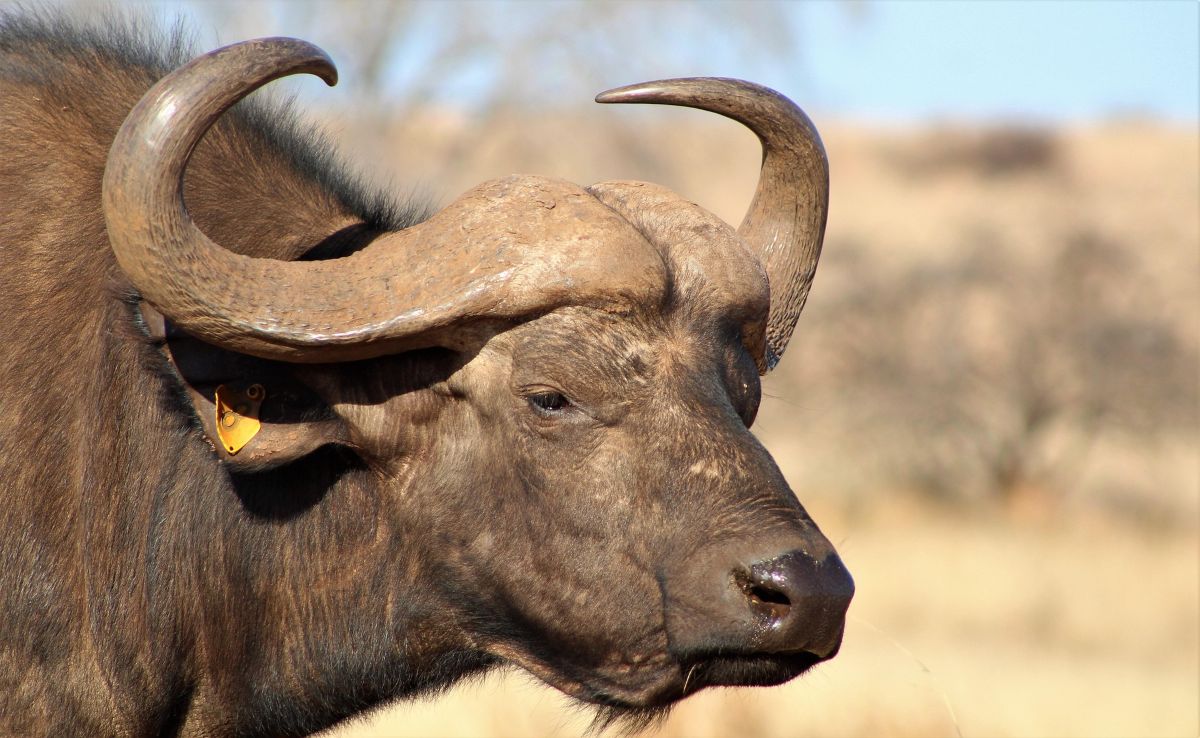
The Massai Mara comes first in the price list with the most expensive Park Entry Fees. Other parks – Tsavo East, Tsavo West, Samburu, Lake Nakuru, Lake Naivasha, Meru – offer you killer wildlife at a much lower entry cost and with less crowd. Tsavo East and West together is one of the biggest national park complex in the world. Tsavo East is home to the famous red elephants (their skin is tinted by the volcanic soil), huge herds of buffalo, pride of lions and the dramatic Lugard Falls. It’s beautiful and much cheaper than Mara in peak season.
One more gem that is less visited is Samburu in the north. It’s home to endemic species – reticulated giraffe, Grevy’s zebra, gerenuk – none found anywhere else in Kenya. The drama of the Ewaso Nyiro River cutting its way through the semi-arid landscape is like nothing in the south.
Keep your itinerary focused
A rookie mistake of many a first-time safari is packing their schedule to see it all. Racing from park to park accumulates transfer costs, fuel and vehicle hire and actually kills the quality of the wildlife experience by not having time to settle down and let things unfold. Three long days in one park, no rush, typically offer better value – and better adventure – than a cramped five day trip of four parks.
Quality rather than quantity is true for safaris as anywhere else. The folks that bring back the richest stories usually didn’t walk the most ground. They were the ones who stayed by a waterhole as afternoon light took on an amber hue and watched an entire parade of species come to drink because they had no rush to be somewhere else.
Use communal safari vehicles when possible
Renting a private car allows you to be flexible and enjoy the comfort, but it’s expensive. Many reliable operators have shared safari vehicles – it’s typically no more than six people – which cuts the cost per person whilst providing fantastic game drives with great guide. For solo travelers or couples who are budget conscious, hopping into a shared vehicle is a top way to have a quality guided safari for a fraction of a private hire. Ask operators about outing dates and join existing groups it’s more common than you think.
A Kenya safari, done in a thought-out manner and with a little bit of up-front research, can be one of the most amazing, and cost-effective, travels out there. The wildlife doesn’t charge even for entry. The scenery is free to look at. You’re paying for access, guidance, and safety-and with some care in your prep, all that can be secured without a luxury travel budget.