Most Kenya safari itineraries feature a visit to a Maasai village, somewhere between the game drives and the sundowners. Your guide casually mentions it. It is listed as an optional activity in the camp. One half of your group joins in and the other half stays back with their binoculars and waits to see if the experience will be interesting or one of those things where you end up feeling awkward as soon as you get there.
The answer is it can be both, it all depends on how it is organised. One of the most memorable experiences of a Kenya safari is a visit to a Maasai village. If done poorly, it’s an awkward 45 minutes that leaves everyone feeling like they stumbled onto a movie set. This post will tell you the difference.
Who are the Maasai People?
The Maasai are a Nilotic ethnic group that have occupied the same landscape for centuries that is now covered by the Ngorongoro Conservation Area, Amboseli National Park and the Maasai Mara National Reserve. They are semi-nomadic pastoralists, that is their economy, culture and social structure have always revolved around cattle. The wealth of a man is in his livestock. Cattle are part of marriage negotiations. The bond between the Maasai and the animals is not necessarily romantic as a westerner could imagine, but it is present in every facet of life.
The Maasai are also one of the few communities in East Africa to have withstood the pressure of the colonial government to be forcibly removed from their lands and the pressure of the subsequent government to give up their way of life. They bargained, sued, and in some instances, just plain refused to budge. The consequence is that you encounter Maasai people in some of the most popular wildlife zones in the world, a relationship that is fraught, negotiated and not as harmonious as the brochures for safaris would imply.
Those tall figures in red shukas, standing at the edge of the road or at the entrance to a camp, are just one layer of a culture that runs much deeper, and what most visitors see on a safari.
So, what really goes on during a visit to a Maasai village?
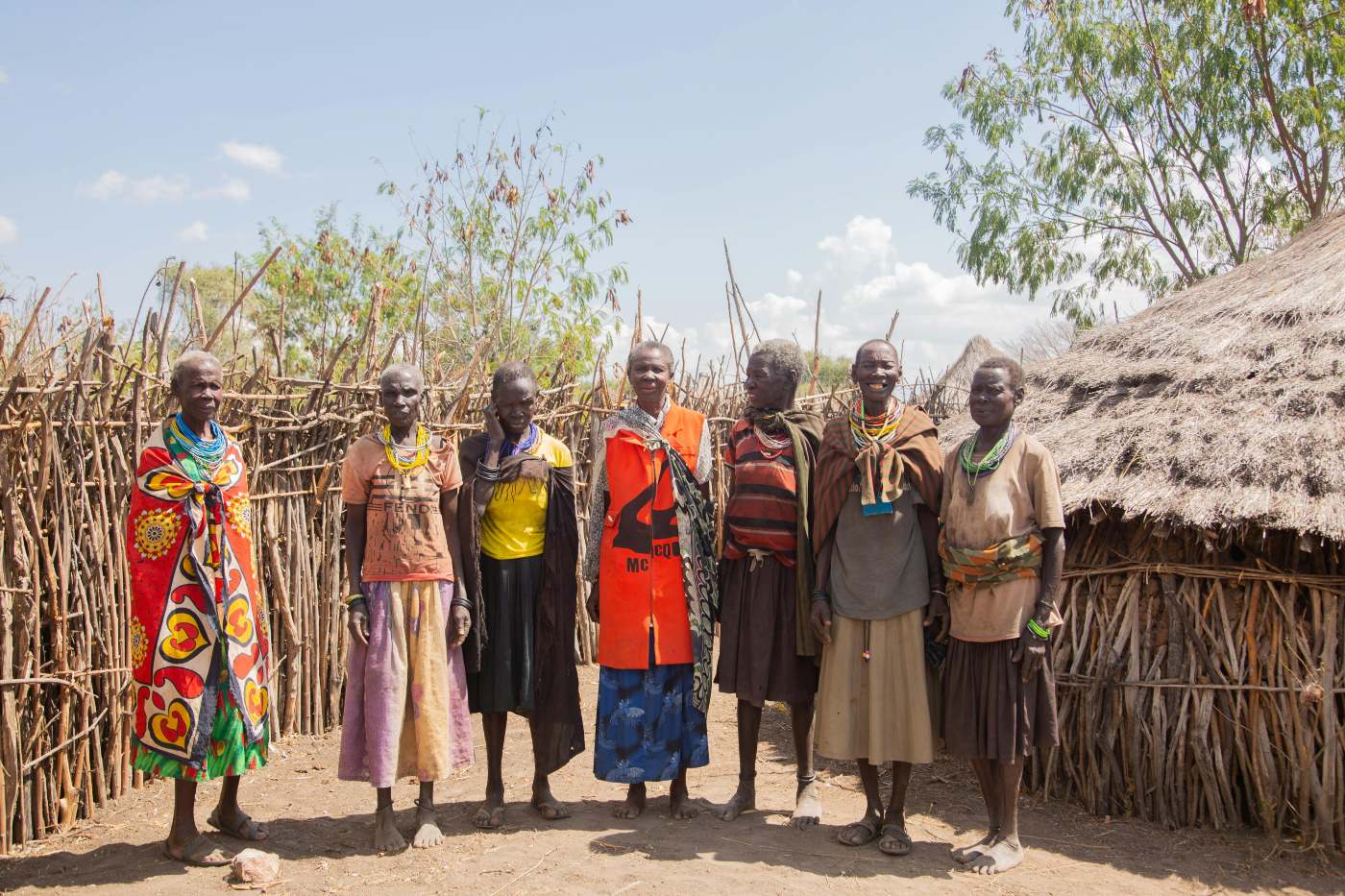
The typical village visit takes 1-2 hours and has a fairly predictable sequence. Singing and the adumu (famous jumping dance of young warriors, morans) greet you at the entrance. You are taken to visit the homestead, a group of low mud and dung huts enclosed in a thornbush fence (boma). Someone tells you how the huts are built, shows you the family structure and speaks about the role of cattle. A demonstration of how to start a fire with sticks and dry dung may be provided. At the end there is a craft market where women sell beaded jewellery and souvenirs.
This is the template. What is vastly different is the quality and authenticity of the interaction in that template. On the best visits, you are actually conversing with people and not watching a show. The guide is a member of the community who is candid about the changes in life, the challenges faced by Maasai youth seeking education or employment in Nairobi, and what it is really like to live next door to a national reserve without being able to graze your cattle. Those talks are enlightening and no game drive can offer.
On the worst visits it’s just that. Families come together on cue, the dance takes place on cue, the tour concludes at the craft market, and no one says anything of any real value. The atmosphere is transactional and it’s felt by all.
Are Maasai Village Visits Ethical?
This is the question that most people are asking when they are unsure about signing up and it’s a question that needs a straight answer, not a reassuring one.
The moral terrain of village tourism in the Maasai world is actually quite uneven. Documented history of exploitation in this space. In some instances, guides have pocketed the full entry fee paid by visitors, without transferring it to the community. Villages that are visited regularly by tourists from nearby lodges do not necessarily benefit in terms of monetary returns commensurate with the disturbance. The Responsible Travel resource on Kenya tourism has provided specific examples of communities that receive little from visits that cost the tourists a lot, with the money going to operators or drivers and not the families.
Conversely, if the visits are organized in such a way that the community receives the fee directly, the income is significant and the community is in control of the terms of the visit. One form of this is the conservancy model that has evolved in the greater Maasai Mara ecosystem, where the Maasai own and manage the tourism and decide what to show and what not to show, and employ their own guides from within their families.
There is a simple question to ask before booking any village visit: Where does the money go and how do you know? A tour operator or lodge that can answer this in a clear manner, with specifics and not generalities, is almost always one whose visit is worth doing. One that says something like it supports local communities is one to be wary of.
How to tell the difference between a worthwhile village visit and a tourist trap?
The difference lies in three factors: who is doing the visit, who is getting the fee, and whether there is any actual give-and-take in ideas or simply a show.
Having a community member lead the visit, preferably one from the particular village you are visiting, alters the situation at once. That person can speak about his or her life instead of a Maasai culture that has been packaged for external view. They can answer offbeat questions, show you places on the homestead that you wouldn’t normally see, and introduce you to family members instead of actors.
When you visit the village directly, without a third party that takes a cut, the community has a vested interest in the quality of the experience, and in you coming back or recommending it. If the communities are the direct beneficiaries, they will want to make the experience more real, not more theatrical.
The Maasai Wilderness Conservation Trust, which operates throughout the Chyulu Hills and Amboseli landscape with the Maasai communities, provides one example of how this can be done well, with the benefits of conservation directly tied to the incomes of the communities and wildlife and cultural tourism working together rather than in separate boxes.
Village visits are organised by operators such as Majestic Kenya, which have long-term relationships with the guides and local communities, and as a result are more likely to be an honest and un-staged experience than a drop-in visit arranged at the lodge the previous night.
To Visit or Not to Visit a Maasai Village?
If your lodge or guide is not able to explain where the entry fee is going, then don’t go. Avoid if it is an afterthought or simply for a photo opportunity at the end of a long day. If you’re not really interested in the people, and you’re doing it just to fill in the itinerary, skip it.
If you’re interested in learning about how a community has coexisted with African wildlife for centuries and how they experience it today, then go. If the visit is organized by a member of the community, if the fee structure is clear, and if you have ninety minutes or more, not forty-five, to visit, go! If your operator can arrange a visit to a conservancy or community managed visit, instead of a generic roadside stop, go.
The Maasai are not a museum exhibit and the best visits don’t feel like one. When conditions are right, what they do provide is a view of the land and the wildlife that no amount of time in a game drive vehicle can give. A Maasai elder talking about why his family has never retaliated against lions entering the cattle boma, or a young moran talking about the compromises of secondary school in Narok versus staying in the village are actually fascinating. It is not under your memory, it is with your memory.
UNESCO’s intangible cultural heritage resources provide a wider context to the importance of the documentation and protection of living cultures such as the Maasai at a global level, and the role of cultural tourism, when managed well, as one of the best ways to preserve them.
Whether or not to include a visit to a Maasai village on your safari depends on how it is organized. The culture is truly worth experiencing.
FAQ
What is the price of a visit to a Maasai village in Kenya?
Entry fees range from $20 to $60 per person for organised trips by lodges or operators. Community managed visits, in which the fee is paid directly to the village, are generally towards the high end of that range, and it is worth the price. Don’t choose visits that are much less expensive, as a smaller cut or none at all may be going to the community.
Can you take photos during a visit to a Maasai village?
This depends on the community and the agreement that has been reached in advance. Most well run visits will have guidance on this at the beginning. Do not point a camera at people, especially children, without asking their permission. Many Maasai will ask for a small additional fee for photography which is fair and should be paid and not someone to be treated as scenery.
So what do you wear and take to a Maasai village visit?
Modest clothing is appropriate. No formalities are necessary. Sometimes a small gift to the community, such as school supplies, is wanted but should be done through your operator or guide and not directly by you, as it can lead to dependency and tension. Do not take large cameras or drone equipment unless it has been prearranged.
Are children allowed to go to a Maasai village?
Yes, and many safaris find it one of the most interesting aspects for younger travelers. Children are commonplace in Maasai communities and the activities that surround their daily lives, animals, and traditional skills are more engaging to younger visitors than extended periods of game driving.