It is one of the most frequently asked questions when planning a Kenya safari and most tour operators don’t give a straight answer because it depends on you and what you want, not which one pays out more commission. The Mara National Reserve and the neighbouring private conservancies are part of one unit. Wildlife freely roams among them. This guide, which has been prepared by Majestic Kenya Safaris, will clearly explain both of these options, list some of the most important conservancies in the Masai Mara to know about, and help you determine which conservancy is best suited to the Keny safari tour you have in mind.
In summary, the difference lies in the experience: the number of vehicles you are sharing a sighting with, the activities you are able to do, and how directly your money is going to the communities that live amongst the wildlife.
What is the difference between the Masai Mara National Reserve and a Private Conservancy?
The Mara is a public wildlife reserve, run by the Nairobi County Government, where anyone who pays the daily entry fee can come in. All roads within the reserve are tracks and guides are required to remain on track and game drives are limited to daylight hours. Vehicles can come in any number to a sighting, and during the peak season, a leopard with cubs or a lion kill can draw in 20 or 30 minivans in minutes.
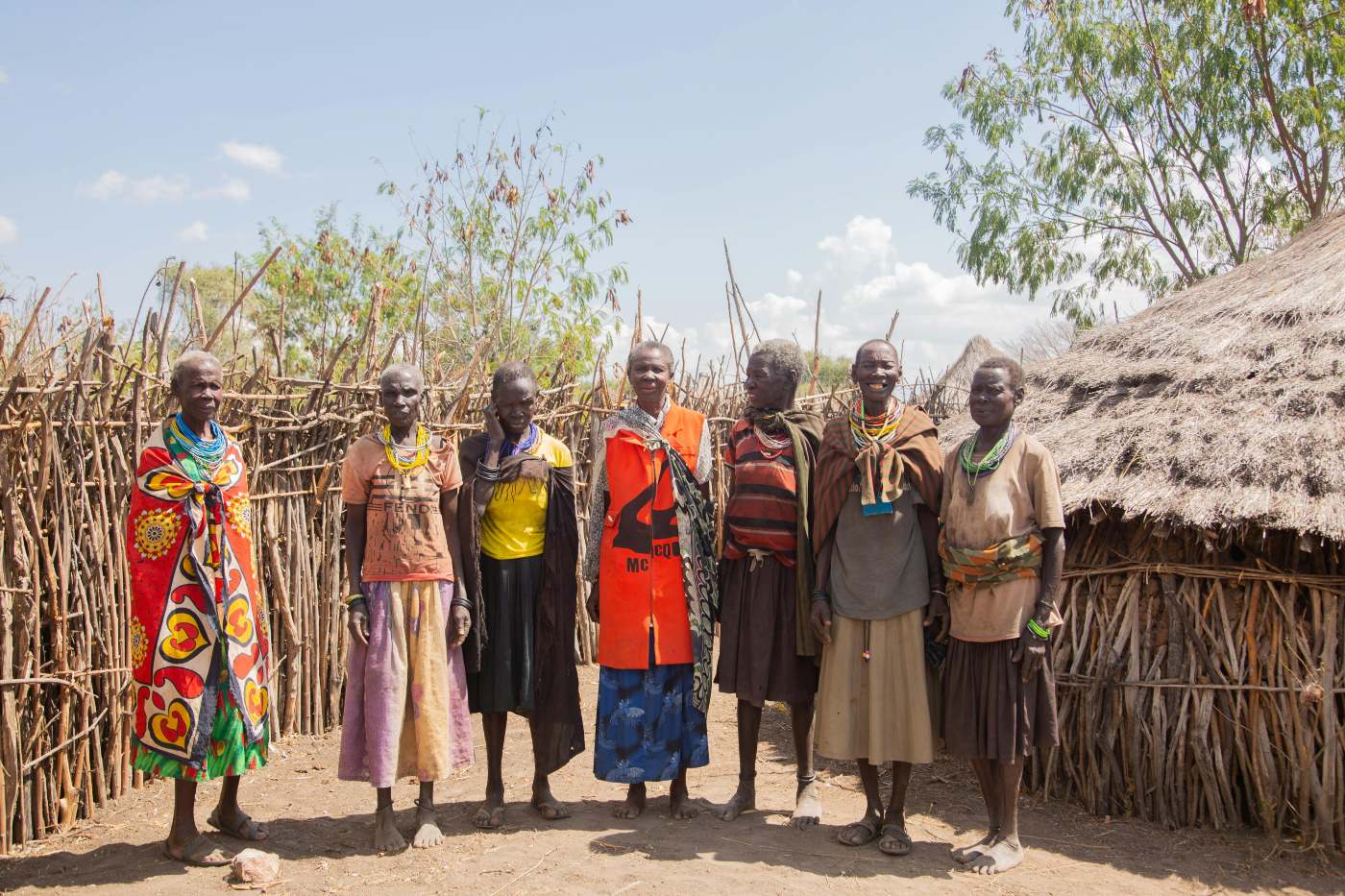
A private conservancy is a completely different legal and operating model. The conservancies that surround the Masai Mara are lands that are community-owned and leased from the Masai landowners who in turn receive a guaranteed monthly income for not fencing and farming on their land. Tourism operators establish a few camps on these leased areas and agree to strict limits on the numbers of visitors. The outcome is that the conservancies have approximately the same range of wildlife as the reserve, but with a smaller number of vehicles.
In a conservancy, guides are able to chase animals through thickets and gullies, driving off-road. Night driving is allowed, and this reveals a whole new world of night-loving animals: aardvarks, servals, genets and the full panoply of nocturnal predators. Guided bush walks are possible in most conservancies. These activities simply do not exist in the national reserve.
The compromise is price. Conservancy camps are almost always more expensive than equivalent accommodation within the reserve, as the conservancy lease fees, limited bed numbers and all-inclusive nature of the experience are all included in the price.
What Are the Best Private Conservancies in the Masai Mara?
In the greater Masai Mara ecosystem there are 24 conservancies, which cover approximately 180,000 hectares and effectively double the area available to wildlife outside the reserve. Not all of them are created equal when it comes to community benefit, camp quality, or the density of wildlife. These are the ones that always surface for the right reasons.
Mara North Conservancy is located on the northern side of the Mara River and is one of the larger conservancies in terms of land area. It has a very high predator population and camps here enjoy the advantage of the river corridor which is home to hippos, crocodiles and an extraordinary concentration of elephants year-round. Mara North is one of the main crossing points for the Great Migration as it moves southwards and the conservancy provides access to these areas through day trips.
Olare Motorogi Conservancy is a 140 km² area that abuts the eastern boundary of the reserve. It was established in 2006 by a group of safari operators and Masai landowners and has grown a reputation for excellent wildlife viewing in a secluded area. Here are some of the most reliable sightings of leopard and cheetah in the Mara ecosystem.
Naboisho Conservancy is a frequently cited success story for the community model. It was created in 2010 and is owned by more than 500 Masai landowners with a capacity of approximately 65 beds for the whole conservancy. It is not unusual to see lions in Naboisho. Low vehicle densities mean that you regularly get to see predator behavior without the presence of other camps’ vehicles.
Mara Naboisho Conservancy, which borders Naboisho is often referred to with Naboisho. They are both located in one of the most successful community conservation landscapes in Africa, as identified by Conservation International. Conservation International’s reporting on the Mara conservancy model shows that conservancy landowners receive an average of $350 per month in lease fees, which is about the salary of a Kenyan graduate.
Which is better for wildlife: the Conservancies or the Reserve?
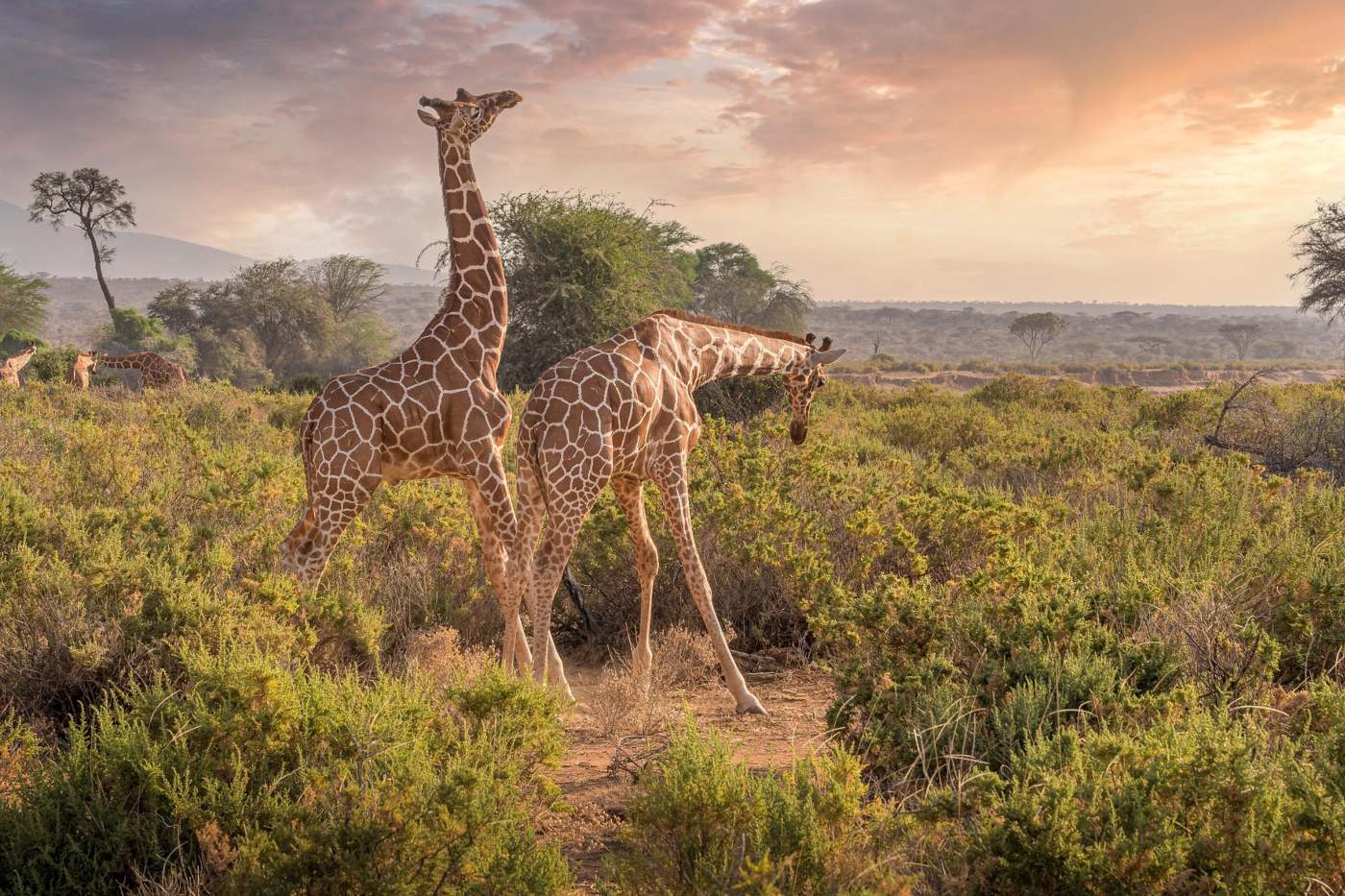
The truth is that the overall experience of each sighting is better in the conservancies, and the amount of viewing that is possible in a single day is often better within the reserve, especially during the Great Migration.
The reserve itself is open savannah plains, with high densities of wildebeest, zebra, buffalo and lion, which are very visible. The reserve is reliable in terms of the number of species you can see and the number of animals per game drive if you want to maximise this. The reserve is also where the Mara River crossings are located during the migration season (July to October).
The encounters are more intimate and longer in the conservancies. As guides are allowed to go off-road and no one is compelled to move on when another vehicle is waiting, you can spend forty-five minutes watching a cheetah teach her cubs to stalk without a single other vehicle arriving. Such continuous observation is becoming rare in the reserve.
Many safari veterans divide their time between two or three nights in the reserve to see the big five and witness the migration and three nights in a conservancy to enjoy a more relaxed and immersive experience. This is the kind of mix that the Majestic Kenya Safaris team can plan for and the amount of reserve versus conservancy time is dependent on what the traveller is looking for from their safari.
What Are the Benefits of the Conservancy Model to The Masai?
This is important not just for the feel-good story as well-functioning conservancies are the ones that are most effective in protecting wildlife. Simple logic: if the landowners of the Masai Mara can count on a regular monthly income from leasing their land for conservation, they have a direct financial incentive to leave their land unploughed and to tolerate wildlife that would otherwise threaten their cattle.
The model’s hallmark, according to the Masai Mara Wildlife Conservancies Association, which coordinates 24 conservancies across the landscape, is the guaranteed lease payment each landowner receives, whether or not tourists arrive in a particular month. This predictability matters. It helps to eliminate the volatility associated with income from tourism alone, and provides communities with an incentive to remain engaged in the model during the off-season.
One of the better documented cases is the Olare Motorogi Conservancy, where the landowners, the Masai, directly negotiated with safari operators, and lease the land instead of selling it. The community is still the owner, has the right to end the arrangement and still gets the benefits of being employed in the camps and of the lease income.
The conservancy model provides a better link between your safari spend and the conservation outcomes than a stay in the national reserve does, for those travellers who want their safari spend to have a meaningful impact on conservation outcomes.
So, What Should You Book?
If you are a first time safari goer to Kenya, and you want to see as much wildlife as possible, a split safari between the Masai Mara National Reserve and at least one private conservancy is the best. Three nights in the reserve plus three nights in Naboisho or Olare Motorogi is the best of both worlds: the iconic Mara experience and the deeper conservancy experience.
The reserve is the more budget friendly choice if budget is the most important factor. Entry fees are steep but lodging in the reserve is available from basic tented camps to mid-range lodges and extraordinary wildlife is available without conservancy premiums.
Booking a safari in Kenya for a week exclusively in a conservancy offers a different experience than if you have already been on safari and have done the classic Mara game drives. When you’re not constantly on the move, from one high-density sighting to the next, the pace changes, the activities expand, and the relationship with the landscape changes.
The Kenya Tourism Board’s official destination information will be able to give you a full picture of the accommodation options available across various price brackets before you even begin to discuss with the operators.
FAQ
In Kenya, should one pay more for a private conservancy?
Yes, for the majority of people who can afford it. Fewer vehicles, off-road driving, night drives and walking safaris make for a qualitatively different experience. Whether or not it’s worth the price is up to you and how important the intimacy of the individual encounters is to you compared to the quantity of wildlife you’ll see in the reserve.
Is it possible to observe the Great Migration on a private conservancy?
For some conservancies, such as Mara North, the migration routes pass close enough to the reserve to access the Mara River crossings on day trips. Others are located further away from the main crossing points. If your visit is for the migration crossings, be sure to understand the camp’s location relative to the crossing sites before you book.
Are park entry fees to the Masai Mara National Reserve included in conservancy fees?
Not automatically. Most conservancy tours involve game drives in the conservancy, and if you wish to venture into the national reserve for a day, then there is an extra charge. Don’t assume anything is included with your camp.
What is Masai Mara Wildlife Conservancies Association?
The 24 conservancies in the greater Mara landscape are coordinated by the Masai Mara Wildlife Conservancies Association. It coordinates the interface between landowners and tourism partners, establishes guidelines for conservancy operations and promotes the community benefits model on a policy level.