I have been thinking a lot lately about what travel has actually done to me – not the stamps in my passport or the lists of places visited, not the social media posts or the photographs organised into albums on my phone, but the quieter, more interior changes. The ways it has rewired how I move through ordinary days. The habits of attention it has given me. The things I can no longer take for granted, and the things I have learned to appreciate with a fervency that surprised me.
Travel, at its best, does not just take you somewhere. It brings something back with you. And the longer I have been doing it – from childhood drives through Kenya’s highlands to longer journeys across East Africa and beyond – the more I realise that the most valuable things travel has given me have nothing to do with the destinations themselves, and everything to do with the particular way of seeing and being in the world that moving through unfamiliar places requires.
Presence is a skill, and travel is the best teacher
When you are somewhere unfamiliar, you have no choice but to pay attention. Every detail demands processing – the direction you need to walk, the sound of the language around you, the smell of the street food, the body language of strangers navigating their own familiar world, the way the light falls differently here than it does at home. You are alert in a way that the comfortable familiarity of home tends to suppress over time. Your senses are open in a way they rarely are when you are surrounded by the known.
I noticed this most sharply on my first proper morning game drive in the Masai Mara, years ago. I was so completely present to every sound, every movement, every shift in the light that the experience felt almost hallucinogenic in its vividness. Nothing was background noise. Everything registered and mattered. And somewhere in the middle of it I had a thought that has stayed with me since: why do I not live like this at home? Why does it take the possibility of a lion to make me pay attention to the world around me?
The answer, I think, is that genuine presence requires effort, and the familiarity of home allows the brain to run on autopilot – efficient, yes, but also deadening in ways we rarely notice until we step out of it. Unfamiliar environments force that autopilot off. They demand you engage fully with what is in front of you. And that skill – the skill of being genuinely present, of paying the quality of attention to ordinary life that you automatically pay to extraordinary places – is learnable and transferable. Kenya’s wild spaces, in particular, with all that the Kenya Wildlife Service protects and preserves, have a way of teaching this lesson more efficiently than any mindfulness retreat I have encountered.
Enough is a moving target – and travel recalibrates it
One of the most consistent things I have observed in travellers who journey deeply – not resort-hopping, but real, immersive travel in places where life looks genuinely different to what they know – is a profound recalibration of their relationship with material things. It happens to almost everyone eventually. You spend a few nights in a basic tented camp with no electricity, no WiFi, and a bucket shower under the stars, and you sleep better than you have in years. You eat the simplest food of your life cooked over a campfire, and it is the most delicious meal you can remember. You realise, with a clarity that can be startling, how very little you actually need in order to feel rich.
This is not a romantic poverty narrative, and I am not suggesting that comfort and convenience are inherently bad. I love a good hotel. I love a strong shower. But there is an enormous difference between appreciating these things and believing you cannot function without them, and travel has a way of revealing that difference with remarkable efficiency. The floor of what constitutes a genuinely good life is much lower than consumer culture would have us believe. That discovery creates a particular kind of freedom – it loosens the grip of anxiety about having and keeping and upgrading and accumulating, and it makes the simple pleasures – a good cup of tea, a sunny morning, a long conversation with someone you love – feel like the genuinely significant things they actually are.
People everywhere are doing their best
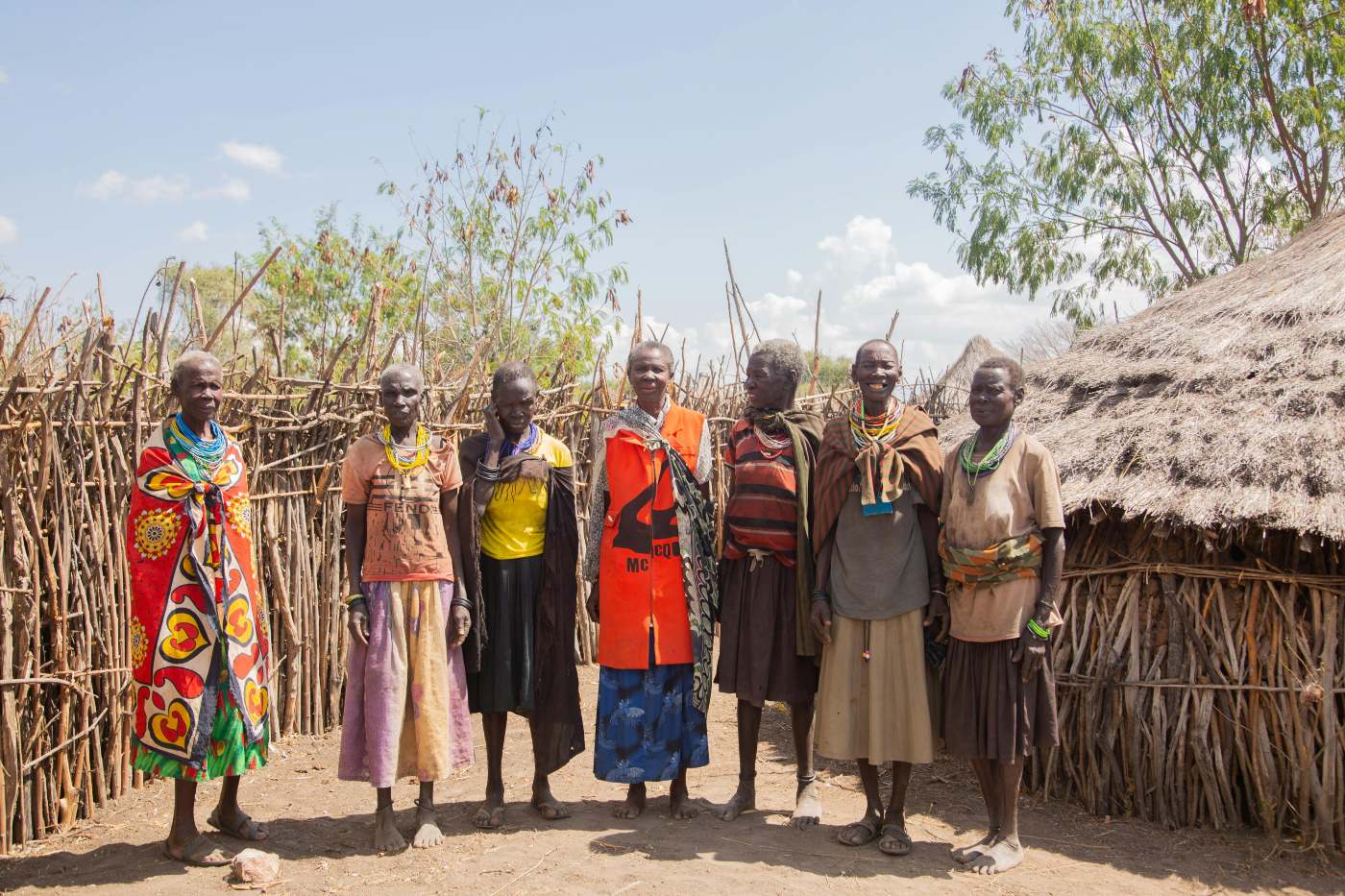
This sounds so obvious as to be trite, and yet experiencing it directly and repeatedly is something altogether different from knowing it abstractly. Every community I have visited – from the Maasai manyattas of the Mara to the fishing villages of the Kenyan coast to the market traders in Nairobi’s Gikomba – has shown me people who are resourceful and warm and funny and working hard every day to build something good for themselves and the people they love. The specific shapes of their lives look different to mine. The challenges they face are different. The resources available to them are different. But the underlying human project – meaning, connection, dignity, belonging, love – is the same everywhere I have ever been.
Travel has made me a significantly more patient and generous interpreter of other people’s behaviour, because it has reminded me repeatedly that I am almost always missing context. The irritating stranger is almost certainly managing something I cannot see. The community whose customs I do not understand has reasons for those customs that would make complete sense if I took the time to learn them. Extending this assumption of good faith to people at home – to the difficult colleague, the impatient driver, the exhausted parent – is one of the most practically useful and quietly radical things that years of travel have given me.
Home is something you earn the right to love properly
There is a particular way of seeing Kenya that I only developed after leaving it and coming back. The things I used to walk past without noticing – the quality of the afternoon light in the dry season, the smell of the red soil after the first rains, the sound of the city shifting from morning rush to midday quiet, the extraordinary diversity of bird calls in any suburban garden – became precious to me precisely because I had been away long enough to feel their absence, and returned to them deliberately enough to recognise them as gifts rather than background.
Distance creates the conditions for appreciation. Familiarity really does breed a kind of comfortable blindness, and travel – by temporarily removing you from your familiar world – gives you the gift of seeing it fresh. If you are a Kenyan who has not explored your own country recently, I would encourage you to start. The Magical Kenya website is a wonderful starting point for rediscovering destinations you might have assumed you already knew. The chances are the country will surprise you. It surprises me every time.