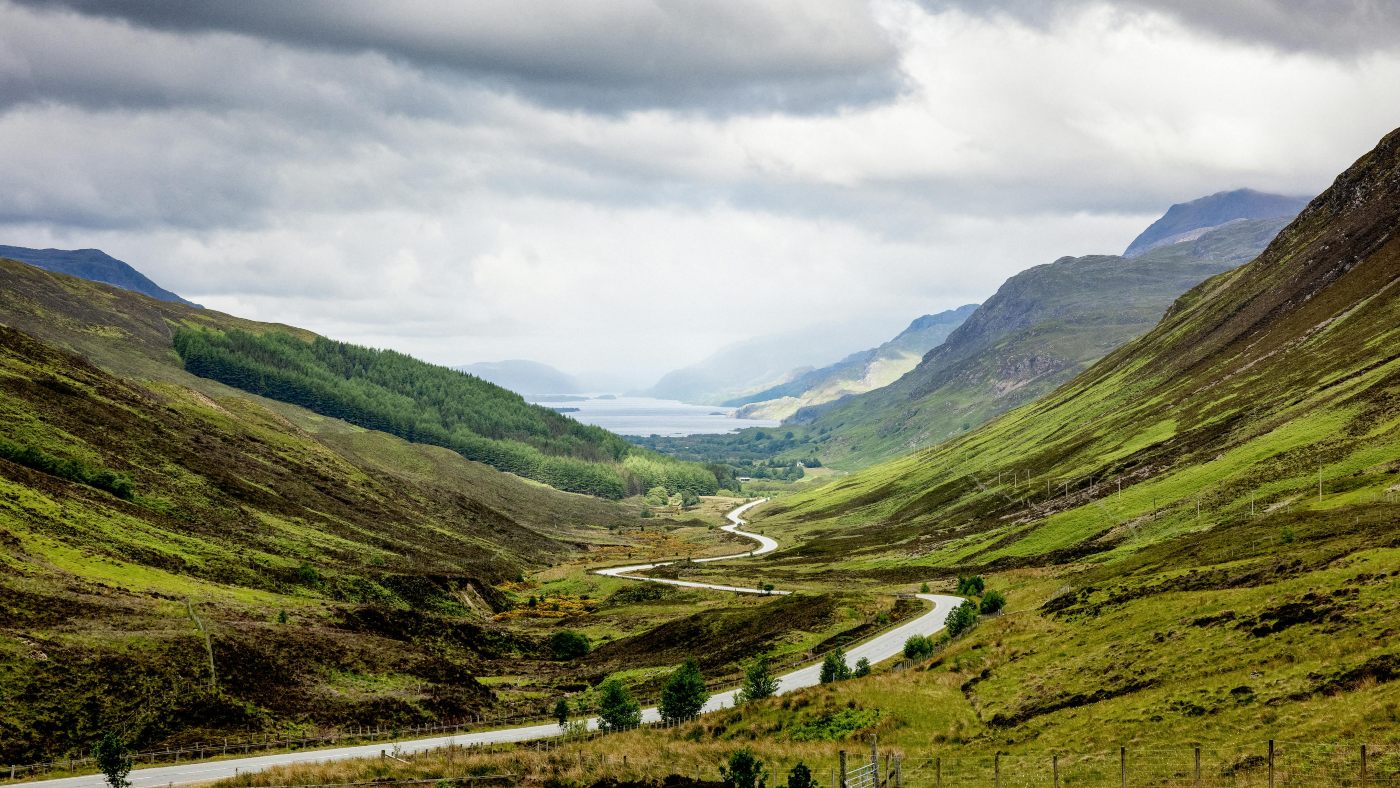
Kenya has landscapes that make you gasp at their beauty, and landscapes that make you gasp at their sheer geological audacity. The Great Rift Valley fits well in the second category. It is not merely a beautiful place, but one of the most important geological formations on the surface of the planet, a scar in the crust of the earth, extending almost 6,000 kilometres in length, between the Jordan Valley in the Middle East and Mozambique in southern Africa. In Kenya it is most dramatically and diversely expressed: a series of lakes, volcanoes, escarpments, and highland plateaus which have not only determined the landscape, but the whole ecological and human history of East Africa.
Scientists think that the Rift Valley is gradually separating East Africa off the rest of the continent – a process that is occurring over geological time scales and will, tens of millions of years in the future, lead to the creation of a new ocean between the two separated landmasses. Along its edges have been discovered the fossils of our earliest human ancestors. The evolution of whole species has been influenced by the freshwater and alkaline lakes which line its floor. And the descent into the valley, the first time, along the escarpment, and then you see the land falling away on either side, and the floor is opening itself out beneath you, immense and flat and inconceivably wide – is one of those times when you cannot say a word in a car.
Lake Nakuru: Flamingos, Rhinos, and a Seasonally Changing Lake.
Lake Nakuru is a very popular and most scenic natural wonder in Kenya. Nakuru is a national park located in the central Rift Valley, about two hours northwest of Nairobi, which is known most of all by its flamingo population. Here lesser and greater flamingos flock in hundreds of thousands, the concentration of which is determined by the fluctuating chemistry of the water, and by the abundance of the blue-green algae, which is their chief food supply. The whole shoreline becomes pink when the conditions are favorable – a smoky haze of birds so thick that it can be seen on the escarpment above, and so loud that it is impossible to hear any conversation at a distance.
Lake Nakuru National Park is also among the most suitable sites in Kenya to view both black and white rhino and the density of lions in the park is quite good considering a relatively small area of protection. Flamingo numbers may fluctuate each year based on water levels and saltiness and therefore it is always advisable to check the current state of affairs with the Kenya Wildlife Service before basing a whole itinerary around a flamingo sighting. The park is small and can be explored within half a day and is a perfect addition to a Rift Valley itinerary that includes Naivasha and Longonot.
Lake Naivasha: Freshwater, Hippos and the Unbelievable Hells Gate.
Lake Naivasha is a freshwater lake unlike Nakuru and the difference in the atmosphere between the two is dramatic. Where Nakuru is open and exposed, with the alkaline shimmer of the water and the pink noise of the flamingos, Naivasha is green and lush – with acacia woodland and papyrus swamps fed by the abnormally productive waters of the lake. The birdlife is outstanding even by Kenyan standards. Fish eagles are calling out of the trees with that haunting cry that is so distinctly haunting and has become the voice of the wild Africa in a thousand documentaries. The shallows and the shore are full of kingfishers, herons, cormorants, pelicans, and jacanas.
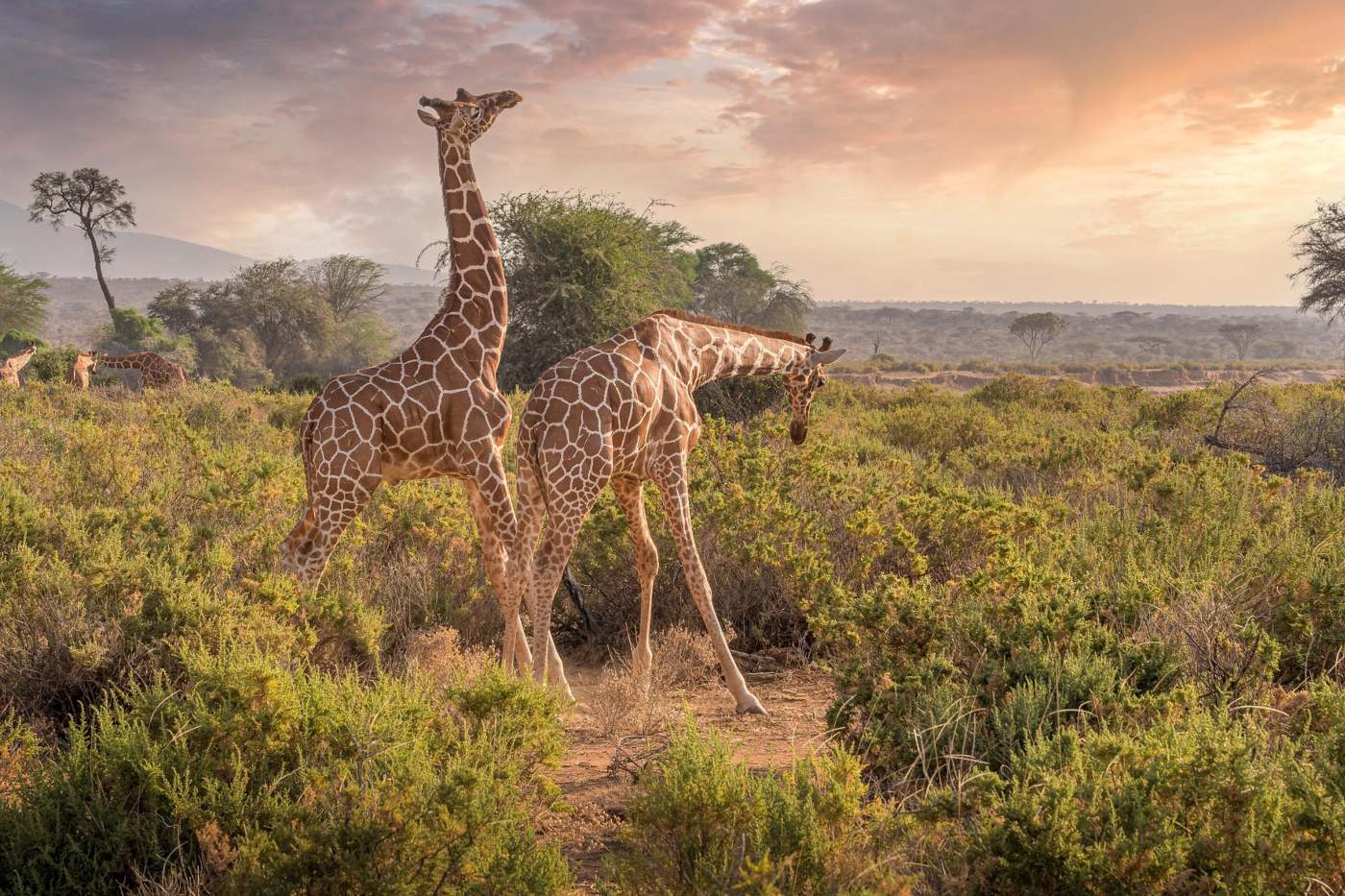
Boat rides on the lake to see hippos and waterbirds are a good and enjoyable activity, and the Crescent Island Game Sanctuary on the edge of the lake is a place where visitors can walk among giraffe, zebra and wildebeest on foot, something that is relatively rare in Kenya where most wildlife is viewed by vehicle. It is an experience that is quite different to walk among giraffe without the barrier of a car between you and it is also worth the minimal entry fee.
Hell’s Gate National Park is just south of the lake, and is one of the strangest of the Kenyan protected areas, which I would recommend to nearly everyone spending time in the Rift Valley. After the dramatic geothermal activity and steam vents that define it – the same underground heat that drives the Olkaria geothermal plant in the neighbourhood – Hell’s Gate is one of the few Kenyan parks where visitors can walk and cycle without a guide. The ravine is splendid: high red and ochre precipices cut by ancient rivers, and the Egyptian vultures and the Verreaux eagles nesting in the precipice. Take a bike at the entrance, ride three or four hours in the park and hike into the main gorge, and then have a soak in the geothermal spa at Olkaria on the way out. It is among the best half-day activities that the Rift Valley has to offer.
Mount Longonot: The Hiking Volcano.
Mount Longonot is a dormant stratovolcano with one of the best craters in East Africa, which rises dramatically out of the valley floor southeast of Lake Naivasha. The primary path to the crater rim is steep but in good condition and the ascent – about two hours at a slow pace – is rewarded by the views which extend across the entire breadth of the valley. It is possible to look down the rim into the crater, with its own little ecosystem of thick bush, and out across a landscape that makes the size of the Rift Valley impossible to overlook.
Another hour and a half or two hours is added to the hike by the complete circuit of the crater rim, which is one of the best walks in Kenya, and which, on a clear day, gives a 360-degree view, including the valley floor, Lake Naivasha, the Mau Escarpment to the west, and on a clear day, the distant peak of Mount Kenya to the northeast. Early morning before the heat of the midday sun, carry lots of water, and wear good shoes. The Kenya Wildlife Service manages the park and they collect entry fees at the gate.
The Perspectives: Where To View the Rift Valley at Its Most Dramatic.
The easiest and the most picturesque point of the Rift Valley as seen in Nairobi is the summit of the escarpment on the old Nairobi-Nakuru road, just above the little town of Limuru. On a sunny day – and early mornings are the days when the valley is most likely to be seen at its best before the haze of the valley forms over it – the view at this point is the whole breadth of the valley floor, with Mount Longonot coming out of the plain ground below and the blue shimmer of Lake Naivasha in the middle distance. The view of Sunrise is especially remarkable when the valley is flooded with warm light in the east and the escarpment itself is in shadow.
Anyone intending to visit the Rift Valley region will find the Magical Kenya site a very useful resource with detailed destination information on Lake Nakuru, Lake Naivasha, Hell’s Gate, and the valley in general, including useful information on accommodation and activities, and seasonal conditions, which is regularly updated and reliable.